
The True Cost of Attending the FIFA World Cup: A Lesson in Financial Planning

The FIFA World Cup is more than just a football tournament. It is one of the biggest sporting events on the planet, bringing together millions of supporters from every corner of the world. For many fans, attending a World Cup is the fulfilment of a lifelong dream.
But how much does that dream really cost?
The 2026 FIFA World Cup reminded us that behind every packed stadium is a fascinating financial story. Some supporters spent years carefully saving for the experience. Others relied on credit cards and loans to make the trip possible.
The difference wasn't the experience itself.
It was the financial decisions made long before the opening whistle.
The 2026 World Cup Was a Spectacle to Remember
It's July 2026, and another FIFA World Cup has come to an end. Spain have been crowned world champions after edging Argentina in a thrilling final, bringing an unforgettable tournament to a close.
For four weeks, the world was captivated. Packed stadiums, dramatic upsets, last-minute winners and unforgettable moments reminded us why the World Cup is regarded as the greatest sporting event on Earth. Nations celebrated together, underdogs inspired millions and new stories were written. Teams like Cape Verde, appearing at a World Cup for the first time, captured hearts with fearless performances that exceeded expectations. They even managed to score twice against Argentina.
It was football at its very best.
Yet as I watched the television coverage, one thought kept returning to me.
Every time the cameras panned across another packed stadium, I wasn't just looking at thousands of supporters.
I was looking at millions of pounds sitting in one place.
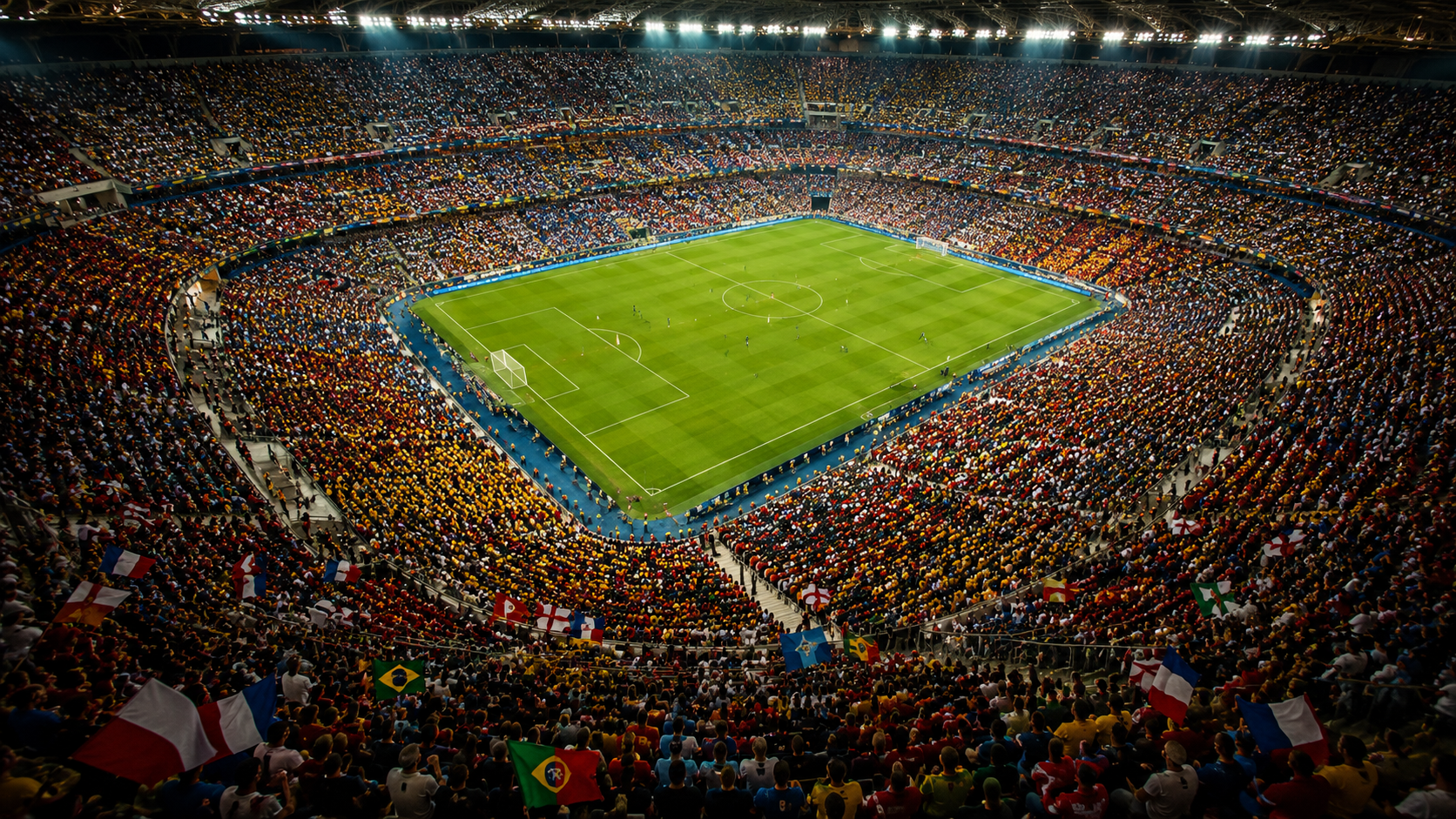
The True Cost of Attending the FIFA World Cup
Curious, I began researching what it actually costs to attend a FIFA World Cup.
The numbers were staggering.
Official ticket prices varied depending on the stage of the competition, but demand meant many supporters turned to the resale market where prices climbed into the thousands. Hospitality packages reached tens of thousands of pounds and reports emerged of some fans spending more than £30,000 simply to secure access to matches.
Then came the hidden costs.
Flights.
Hotels.
Food.
Local transport.
Travel insurance.
Match-day spending.
Merchandise.
Airport parking.
Before long, what looked like a football ticket had become a £5,000 to £10,000 trip. For supporters following their national team throughout the tournament, the cost could be considerably higher.
There is nothing inherently wrong with spending that kind of money.
In fact, quite the opposite.
Why Spending Money on Experiences Isn't the Problem
Life isn't simply about accumulating wealth.
It's about experiences.
It's about travelling with family, celebrating with friends and creating memories that last long after the final whistle.
Very few people reach the end of their lives wishing they had made fewer memories with the people they love.
So this isn't an article about whether attending the World Cup was "worth it."
Only you can answer that.
The better question is this:
Was it planned?
Two Supporters. One Match. Two Very Different Financial Outcomes.
Imagine two England supporters.
Both spend £6,000 attending the World Cup.
The first supporter started saving shortly after the previous tournament. Every month they automatically transferred £125 into a dedicated savings account. Four years later they booked flights, bought tickets and travelled knowing every pound had already been budgeted for.
The second supporter made the decision after England qualified.
Flights went onto one credit card.
Hotels onto another.
Match tickets were financed with the hope of worrying about the repayments later.
Both watched the same match.
Both celebrated the same goals.
Both returned home with unforgettable memories.
Only one returned home without financial stress.
The other returned home with months, or even years, of repayments waiting.
The purchase was identical.
The preparation was not

Emotional Spending and the Psychology Behind Big Financial Decisions
Behavioural economists have long understood something many of us experience every day.
Money decisions are rarely driven by logic alone.
They're driven by emotion.
"This might be my only chance."
"Everyone else is going."
"I don't want to regret missing out."
These thoughts are completely understandable.
Events like the World Cup create urgency because they feel unique.
Sometimes acting on those emotions creates incredible memories.
Sometimes it creates financial stress that lasts much longer than the tournament itself.
The problem isn't emotion.
The problem is making emotional decisions without a financial plan.
Understanding Opportunity Cost
Every financial decision comes with a trade-off.
Economists call this opportunity cost.
Every pound spent on one goal is a pound that cannot be used elsewhere.
The same £6,000 could have:
- Strengthened an emergency fund.
- Reduced a mortgage.
- Been invested for the future.
- Paid for another important life goal.
Does that mean spending it on the World Cup was the wrong decision?
Not at all.
Opportunity cost isn't about guilt.
It's about understanding what you're choosing and what you're choosing to give up.
Once we understand those trade-offs, we tend to make better financial decisions.
How to Budget for Once-in-a-Lifetime Experiences
Here's the good news.
The World Cup isn't a surprise event.
It arrives every four years.
That gives supporters something incredibly valuable.
Time.
Saving a relatively small amount each month over four years is very different from finding thousands of pounds a few weeks before kick-off.
Planning doesn't reduce the excitement.
It protects it.
When the trip has already been paid for, you can enjoy every moment knowing there won't be an unexpected financial burden waiting when you get home.
The same principle applies to many of life's biggest moments.
A dream holiday.
The Olympic Games.
A Formula One race.
A once-in-a-lifetime concert.
A milestone birthday.
Great experiences become even better when they're planned.

The Binah Philosophy
At Binah, we don't believe budgeting is about saying "no" to the things you love.
We believe it's about making room for them.
Money should help you live the life you want.
If attending the next FIFA World Cup is your dream, then perhaps it's one of the best things you'll ever spend money on.
But dreams deserve a plan.
When your spending aligns with your priorities, expensive purchases become intentional choices instead of emotional reactions.
That's the difference between returning home with memories and returning home with memories and debt.
Looking Ahead to the 2030 FIFA World Cup
Four years passes more quickly than most of us realise.
Before long, another World Cup will capture the imagination of millions.
Supporters will begin searching for tickets.
Flights will be booked.
Hotels will fill.
Dreams will become plans.
The question isn't whether you'll want to go.
The question is whether you'll already have a plan.
Because financial freedom isn't about never spending money.
It's about being able to say yes to life's biggest moments without sacrificing your future.
Frequently Asked Questions
How much does it cost to attend the FIFA World Cup?
The total cost depends on where you're travelling from, how many matches you attend and whether you purchase official or resale tickets. Once flights, accommodation, transport and food are included, many supporters spend several thousand pounds on the experience.
Is it a bad idea to use a credit card for a World Cup trip?
Not necessarily. If you already have a repayment plan and can clear the balance responsibly, a credit card can offer useful purchase protection. Problems arise when the trip is funded without a realistic plan to repay the debt.
How can I start saving for the next World Cup?
Create a dedicated savings goal, work out how much you'll need and divide that amount by the number of months until the tournament. Small, consistent contributions are often far easier than finding a large lump sum at the last minute.
What is opportunity cost?
Opportunity cost is the value of what you give up when choosing one option over another. Every financial decision has a trade-off, whether it's buying World Cup tickets, investing, or saving for another goal.